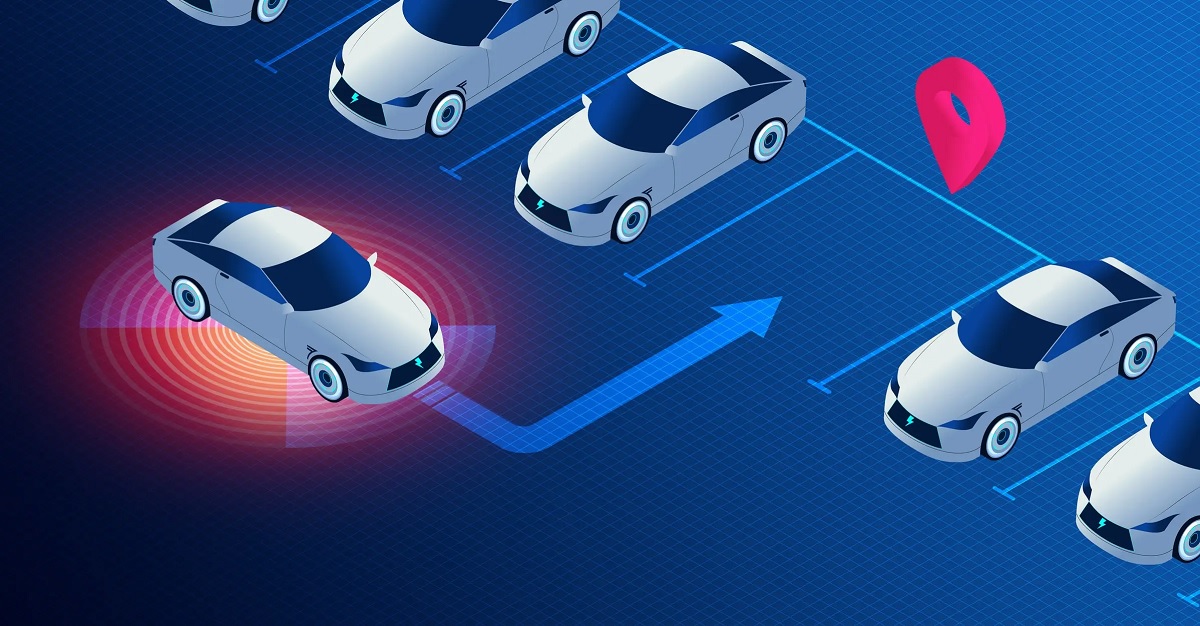
The issue of managing parking facilities has been getting more complicated for commercial properties, corporate campuses, shopping centers, and mixed-use projects. The increasing labor costs, poor management of spaces as well as old payment systems may soon increase the operational budgets.
Rather than using conventional oversight methods, companies can track occupancy, simplify payments, and staffing through centralized platforms. The list below discusses how smart parking solutions will lower operational expenses and enhance efficiency and the quality of the services provided.
1. Centralized Parking Management Systems for Better Cost Control
Smart parking platforms bring all activities into one system. Through the combination of monitoring tools, payment gateways, and reporting dashboards, businesses have complete insight into their daily performance.
Most organizations that are considering modernizing their parking management use websites like https://www.douglasparking.com/parking-management-operations/ to know how structured management enhances operational efficiency in financial terms.
Smart parking technology is implemented using centralized platforms to remove the fragmented systems. Real-time data tracking helps to lessen the administrative misunderstanding and also makes decisions more accurate.
The managers will be able to analyze the occupancy trends, the revenue trends, and the maintenance alerts using the same interface. This centralized authority lowers redundancy of work and enhances team accountability.
2. Reducing Labor Expenditures Through Automation
It is also through automation that it reduces reliance on manual oversight and ticket handling. Smart systems substitute repetitive tasks with effective technology-driven processes.
Operational Advantages of Automated Parking Workflows
- Digital Access Control: Automation of issuance and validation of tickets by digital means of access.
- Contactless Payment Integration: Substitute cash usage with safe, secure contactless payment systems.
- Optimized Staffing Schedules: Cut staffing requirements during low traffic periods of operation.
- Remote Facility Oversight: Remote monitoring without the presence of on-site supervision.
- Automated Data Reporting: Reduce manual reporting by automated data collection.
Reduced staffing needs mean that staffing payrolls are cut down.
3. Advanced Space Management and Revenue Optimization
Parking space is a revenue that is not exploited. Parking sensors and analytics tools are smart and offer real occupancy information that assists businesses in managing their resources well. Operators will be able to adjust the pricing models or the promotional strategies depending on the demand, as they will have a clear understanding of the patterns of usage.
Businesses can determine the high-traffic and low-traffic areas through parking occupancy analytics. Dynamic pricing can be used to boost sales when the demand is high and to spur consumption when the demand is low. Space allocation optimisation minimises congestion and enhances customer experience. Optimization leads to a quantifiable increase in revenue without the need to increase physical infrastructure.
4. Lowering Maintenance and Infrastructure Costs
Smart monitoring tools assist in making preventive maintenance more effective. Technology-powered notifications save sudden repair expenses and lengthen the equipment’s life.
Preventive Maintenance and System Longevity Benefits
- Early Equipment Failure Detection: Identify equipment failures before expensive failures in the system.
- Performance-Based Maintenance: Manage maintenance schedules on actual performance measures.
- Smart Lighting and Security Audits: Check lighting and security systems to ensure consistency in their use.
- Traffic-Based Wear Reduction: Wear reduction by managing the access and traffic.
- Energy Conservation via Automation: Conserve energy by using computer-controlled lighting.
Due to proactive maintenance, emergency repairs are reduced.
5. Increased Payment Efficiency and Revenue Accuracy
Cash-based systems are likely to create discrepancies in accounting and administrative burdens. Parking solutions present smart solutions that offer reliable electronic payment systems that minimize processing errors. Financial transparency is enhanced by electronic receipts and automatic reconciliation.
Use of automated parking payment systems will cut revenue loss and enhance accuracy on audit. Integrated reporting tools are able to contain detailed records of transactions and, therefore, make it easy to comply and manage finances.
Contactless payments also make it more convenient for customers to use, thus inviting them to use these services again. Economized revenue management makes the organization profit-oriented.
6. Data-Driven Decision Making for Operational Planning
Smart parking systems produce actionable data that can be used to aid in strategic planning. Availability of quality data assists businesses in anticipating the demand and in distributing available resources effectively.
Strategic Planning Metrics for Facility Owners
- Visitor Trend Analysis: Evaluate the trend of visitors during various periods of time.
- Historical Revenue Benchmarking: Compare performance through historical comparisons of revenues.
- Congestion Point Identification: Find common areas of congestion that need structural modifications.
- Seasonal Demand Tracking: Track seasonal changes affecting the demand for parking.
- Long-Term Performance Reporting: Prepare performance reports to make long-term planning decisions.
Planning that is informed eliminates the expensive trial-and-error plans.
7. Enhanced Customer Experience to Minimize Indirect Costs
The issue of operational inefficiencies also tends to result in frustration of the customers and this can indirectly influence business revenue. Smart parking reduces navigation, convenience to pay, and business transparency.
Signage and mobile communication minimize time wastage in locating the spaces available. Less congestion means fewer security dilemmas and fewer complaints. Increased quality in service may reduce the customer care workload and safeguard reputation associated income.
Achieving Operational Efficiency and Strength
The smart parking technology provides quantifiable cost savings in the areas of labor, maintenance, revenue management, and the use of infrastructure. Centralized authority, automation of repetitive functions, space utilization, and use of data intelligence help companies to turn a parking facility into an effective working tool, as opposed to an expense liability.
Management: Companies that want to rely on systematic approaches can investigate detailed models of management, including those described at douglasparking.com/parking-management-operations, to match investment in technology with long term efficiency objectives. Strategic implementation will ensure that smart parking systems minimize costs and increase the quality of services and financial results.