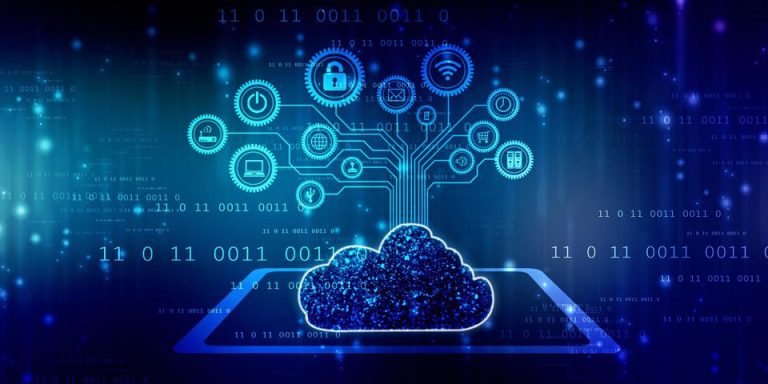
Computers have evolved from specialized machines used mainly by researchers and engineers into essential tools used in nearly every aspect of daily life. Today, modern computers power communication, education, healthcare, entertainment, and business. Their influence continues to grow as new technologies such as artificial intelligence, cloud computing, and high-speed connectivity reshape how people work and interact.
From smartphones and laptops to advanced computing systems, modern computers have made tasks faster, more efficient, and more accessible for people across the world.
The Evolution of Modern Computing
The development of modern computers has dramatically improved performance, portability, and usability. Early computers were large machines that required specialized knowledge to operate. Today’s systems are compact, powerful, and user-friendly.
Key technological advancements include:
- Faster processors capable of handling complex tasks instantly
- Cloud computing enabling remote data storage and collaboration
- Touchscreen interfaces that simplify interaction
- High-speed internet connectivity supporting real-time communication
These advancements have allowed computers to integrate seamlessly into everyday routines.
Transforming Communication
Computers have fundamentally changed how people communicate with one another. Messages that once took days to deliver can now be sent instantly across the globe.
Modern communication tools powered by computers include:
- Email services
- Video conferencing platforms
- Social media networks
- Instant messaging applications
These technologies enable families, friends, and professionals to stay connected regardless of physical distance.
Revolutionizing Work and Remote Employment
Modern computers have significantly transformed the workplace. Many jobs no longer require employees to be physically present in an office. Remote work has become a viable option across numerous industries.
Benefits of computer-powered remote work include:
- Greater workplace flexibility
- Reduced commuting time
- Access to global job opportunities
- Increased productivity through digital collaboration tools
Businesses also benefit by reducing office costs and hiring talent from anywhere in the world.
Enhancing Education and Learning
Computers have expanded educational opportunities beyond traditional classrooms. Students can now access a vast amount of information and learning resources online.
Important ways computers support education:
- Online courses and digital classrooms
- Interactive learning platforms
- Virtual simulations and educational software
- Instant access to research materials
Students can learn at their own pace and explore topics more deeply using digital tools.
Improving Healthcare and Medical Technology
Healthcare systems rely heavily on modern computers to improve patient care and medical research.
Applications of computing in healthcare include:
- Electronic medical records for patient data management
- Advanced medical imaging technologies
- Telemedicine consultations
- AI-assisted diagnostics and data analysis
These technologies help doctors diagnose conditions more accurately and provide more efficient treatment.
Transforming Entertainment and Media
Modern computers have also reshaped the entertainment industry. Digital platforms allow users to stream movies, play video games, listen to music, and create their own content.
Common entertainment uses include:
- Video streaming services
- Online gaming platforms
- Digital music production
- Video editing and content creation
This shift has made entertainment more interactive and personalized.
Making Everyday Tasks Easier
Computers now assist with a wide range of daily tasks, making life more convenient and efficient.
Examples of everyday activities powered by computers:
- Online banking and financial management
- Shopping through e-commerce platforms
- Navigation using digital maps
- Smart home control systems
These tools save time and allow people to complete important tasks from virtually anywhere.
Driving Innovation Through Artificial Intelligence
Artificial intelligence is one of the most influential developments in modern computing. AI systems allow computers to analyze data, recognize patterns, and make intelligent decisions.
Examples of AI-driven technologies include:
- Voice assistants
- Smart recommendations on digital platforms
- Fraud detection systems
- Predictive analytics in businesses
As AI continues to evolve, computers will become even more integrated into everyday life.
Challenges and Considerations
While modern computers offer numerous benefits, they also present certain challenges that must be addressed.
Some concerns include:
- Data privacy and cybersecurity risks
- Increased screen time and digital dependency
- The need for digital literacy skills
- Ethical considerations surrounding artificial intelligence
Balancing innovation with responsible technology use will be essential in the years ahead.
Frequently Asked Questions (FAQs)
1. What are modern computers?
Modern computers are advanced computing devices such as desktops, laptops, tablets, and smartphones that use powerful processors and software to perform complex tasks efficiently.
2. How have computers changed the way people work?
Computers enable remote work, digital collaboration, and automation of many tasks, allowing people to work from almost anywhere with an internet connection.
3. Why are computers important in education today?
Computers provide access to online learning resources, digital classrooms, and educational software that help students learn more effectively and flexibly.
4. How do computers help in healthcare?
Computers support electronic health records, medical imaging, telemedicine, and data analysis, helping healthcare professionals deliver more accurate and efficient care.
5. What role does artificial intelligence play in modern computers?
Artificial intelligence enables computers to analyze data, recognize patterns, automate tasks, and provide intelligent recommendations in many applications.
6. Are there any disadvantages to widespread computer use?
Yes, challenges include cybersecurity threats, privacy concerns, excessive screen time, and the need for stronger digital literacy skills.
7. What might the future of computing look like?
Future developments may include more powerful AI systems, quantum computing breakthroughs, improved virtual reality experiences, and deeper integration with everyday devices.