Modern homebuyers increasingly look for properties equipped with advanced technology and energy-efficient features. Smart home upgrades not only improve daily convenience but also make homes more attractive in the real estate market. As technology becomes more integrated into everyday living, properties with smart systems often command higher resale value and attract more potential buyers.
By investing in strategic upgrades, homeowners can enhance security, efficiency, and comfort while increasing the overall value of their property.
Smart Security Systems
Security remains one of the most appealing features for homebuyers. Smart security systems provide real-time monitoring and remote access, allowing homeowners to control safety features from their smartphones.
Popular smart security upgrades include:
- Video doorbells with motion detection
- Wireless surveillance cameras
- Smart locks with remote access
- Security alarm systems connected to mobile apps
These technologies offer convenience and peace of mind, making properties more attractive to modern buyers.
Smart Thermostats for Energy Efficiency
Energy-efficient homes are becoming a top priority for buyers. Smart thermostats help regulate indoor temperatures automatically while reducing energy consumption.
Benefits of installing smart thermostats include:
- Automatic temperature adjustments based on usage patterns
- Remote temperature control through mobile apps
- Lower heating and cooling costs
- Improved energy efficiency ratings
Energy-saving technologies not only reduce utility bills but also increase a home’s market appeal.
Intelligent Lighting Systems
Smart lighting systems allow homeowners to control brightness, color, and scheduling through apps or voice assistants. These systems add both convenience and energy efficiency to a property.
Key features of smart lighting systems include:
- Automated lighting schedules
- Motion-sensor activation
- Voice control compatibility
- Energy-efficient LED technology
Smart lighting can also improve home security by automatically turning lights on or off when residents are away.
Smart Home Hubs and Voice Assistants
Centralized smart home hubs make it easier to control multiple devices from one interface. Voice assistants and automation platforms allow homeowners to manage lighting, temperature, entertainment systems, and security devices with simple commands.
Advantages of smart home hubs include:
- Seamless integration of multiple devices
- Voice-controlled home management
- Custom automation routines
- Simplified system control through mobile apps
Homes equipped with integrated smart systems often appear more modern and technologically advanced.
Automated Window Treatments
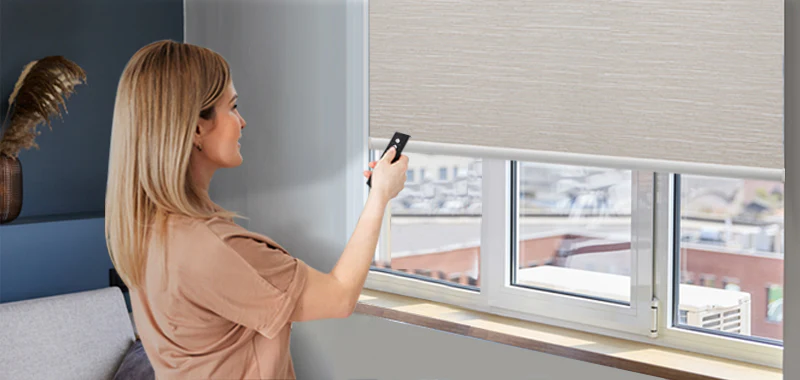
Motorized blinds and smart window treatments improve both comfort and energy efficiency. These systems allow users to control natural light and privacy through remote controls or smartphone apps.
Benefits include:
- Automatic adjustment based on sunlight levels
- Increased energy efficiency by regulating indoor temperatures
- Enhanced privacy and convenience
- Integration with home automation systems
Smart window solutions add a modern touch that appeals to many potential buyers.
Smart Appliances
Modern kitchens and laundry rooms increasingly feature connected appliances that improve convenience and efficiency. Smart appliances can be monitored and controlled remotely through mobile apps.
Examples of smart appliances include:
- Refrigerators that monitor food inventory
- Smart ovens with remote temperature control
- Washing machines with automated cycle notifications
- Dishwashers with energy-saving settings
These appliances provide a blend of technology and practicality that enhances a home’s perceived value.
Advanced Home Entertainment Systems
Smart entertainment systems are another upgrade that can increase property appeal. Integrated audio and video systems provide high-quality entertainment experiences throughout the home.
Features may include:
- Wireless multi-room audio systems
- Smart televisions connected to streaming services
- Voice-controlled entertainment systems
- Integrated home theater setups
Well-designed entertainment systems can make living spaces more enjoyable and appealing to buyers.
Smart Irrigation and Outdoor Systems
Outdoor smart technologies can improve landscaping efficiency and reduce water consumption.
Popular outdoor upgrades include:
- Smart irrigation systems that adjust watering schedules automatically
- Weather-responsive sprinklers
- Automated outdoor lighting
- Remote-controlled garden systems
These upgrades help maintain attractive outdoor spaces while conserving resources.
Why Smart Upgrades Increase Property Value
Smart home technology improves several aspects of modern living, which makes properties more desirable in competitive real estate markets.
Key reasons these upgrades increase property value include:
- Enhanced convenience and automation
- Increased home security
- Lower energy costs and improved efficiency
- Modern appeal for technology-focused buyers
Homes equipped with smart features often stand out during property listings and attract buyers seeking advanced living environments.
Frequently Asked Questions (FAQs)
1. Do smart home upgrades really increase property value?
Yes. Smart technology improves convenience, energy efficiency, and security, which can make homes more attractive to potential buyers and increase market value.
2. What is the most popular smart home upgrade?
Smart security systems, including video doorbells and connected cameras, are among the most popular upgrades due to their safety benefits.
3. Are smart home devices expensive to install?
Costs vary depending on the system. Some devices, such as smart plugs and bulbs, are relatively affordable, while larger integrated systems may require professional installation.
4. Do smart upgrades help reduce energy costs?
Yes. Devices such as smart thermostats, lighting systems, and automated blinds help optimize energy usage and reduce utility bills.
5. Can older homes support smart technology?
Most smart devices are designed to work with existing homes and can often be installed without major structural changes.
6. Do smart homes require a strong internet connection?
Yes. Many smart devices rely on Wi-Fi connectivity to function properly and allow remote access through mobile applications.
7. Are smart home systems secure?
When properly configured with strong passwords, secure networks, and regular software updates, smart home systems can be safe and reliable.