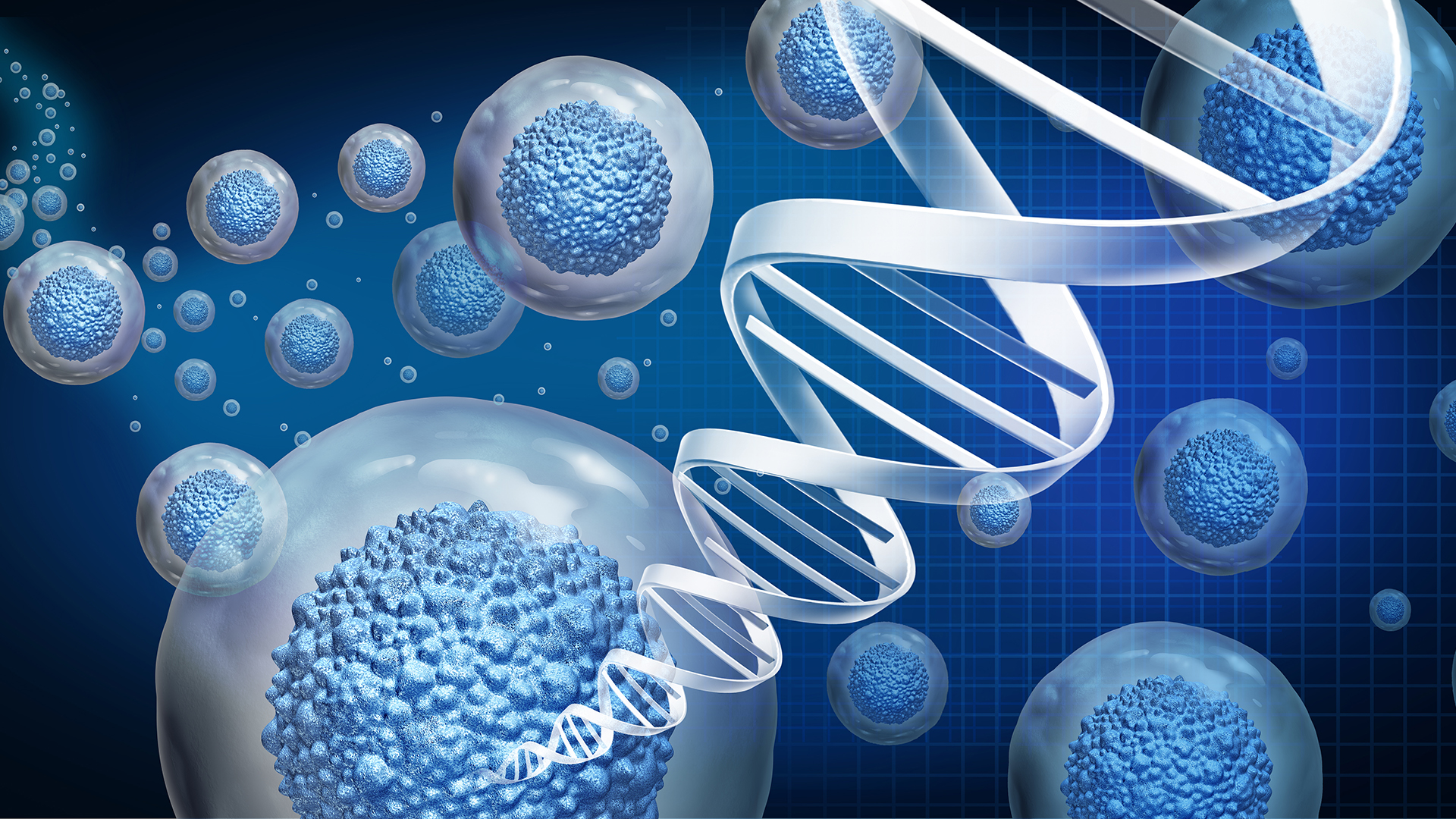
For generations, modern medicine operated mostly by managing decline or replacing failed parts with synthetic hardware. A damaged knee received a titanium joint, a failing heart waited on a scarce donor list, and chronic degenerative conditions were treated with lifelong symptom-control drugs. Regenerative medicine and tissue engineering are rewriting that playbook by teaching the human body to rebuild functional biological tissue from the inside out.
Instead of merely slowing down disease progression, clinicians and bioengineers are combining living cells, smart biomaterials, and precision gene editing to restore damaged organs, blood vessels, cartilage, and neural pathways. While headlines often jump straight to lab-grown replacement hearts, the real transformation underway right now is both more nuanced and far closer to routine clinical care.
Moving From Symptom Management to Biological Repair
At its core, regenerative medicine relies on three interlocking pillars: cellular therapies, engineered scaffolds, and biological signaling. Each pillar addresses a different piece of the healing puzzle.
-
Cellular therapies introduce healthy, functional cells—such as induced pluripotent stem cells (iPSCs) or mesenchymal stromal cells—to replace lost tissue or calm destructive inflammation.
-
Biomaterial scaffolds act as temporary three-dimensional architecture that guides cells where to grow, attach, and organize before the scaffold safely dissolves into the body.
-
Biological signaling uses growth factors, exosomes, and targeted genetic instructions to wake up dormant repair mechanisms in surrounding native tissue.
What has changed over the past few years is how seamlessly these pieces now work together. Rather than injecting loose cells into an injured area and hoping they survive, engineers design microenvironments that protect cells from immune rejection, supply oxygen, and deliver biochemical cues on a controlled schedule.
Breakthroughs Reshaping Clinical Care Today
Regenerative therapies are no longer confined to university Petri dishes. Several clinically validated treatments have already crossed into hospital practice, proving that engineered biological products can outperform conventional interventions.
Engineered Tissues and Off-the-Shelf Grafts
In vascular and reconstructive surgery, bioengineered tissues are solving acute supply and compatibility problems. Acellular tissue-engineered blood vessels, grown from human vascular cells and then stripped of donor cellular material so they do not trigger immune rejection, now give trauma and vascular surgeons an immediately available biological conduit when harvesting a patient’s own vein is impossible. Similar advances in bioengineered skin grafts and autologous cartilage implants—where a patient’s own cartilage cells are expanded on a collagen membrane and reimplanted into damaged knee joints—are helping younger, active patients avoid premature joint replacement.
Gene-Edited Cell Therapies and Universal Donors
The convergence of CRISPR gene editing and stem cell biology is removing one of regenerative medicine’s biggest bottlenecks: immune compatibility. Custom therapies made from a patient’s own cells are effective, yet they take weeks to manufacture and carry steep price tags. By editing out surface markers that trigger immune attacks, researchers are developing hypoimmune, off-the-shelf allogeneic cell lines. These universal cells can be manufactured in large batches, frozen, and shipped to clinics on demand for conditions ranging from autoimmune diseases and severe genetic blood disorders to retinal degeneration.
Organoids and Patient-Specific Disease Modeling
Before a regenerative therapy ever reaches an operating room, miniature lab-grown tissues known as organoids are transforming how drugs and repair strategies are tested. Derived from a patient’s own stem cells, tiny beating heart clusters, intestinal linings, and brain organoids allow researchers to observe how human tissue responds to injury or therapy in real time. This bridges the wide gap between animal studies and human clinical outcomes, cutting years off preclinical development.
Where 3D Bioprinting Is Heading Next
Few technologies capture the public imagination like 3D bioprinting, which deposits living cells and hydrogel “bio-inks” layer by layer to construct complex biological structures. Early bioprinted tissues struggled with a fundamental engineering limit: without an internal network of microscopic blood vessels, thick tissues starved of oxygen and nutrients within days.
Next-generation bioprinting is solving that vascularization barrier. Using high-resolution light-based printing and sacrificial bio-inks that dissolve to leave hollow channels behind, bioengineers can now print intricate capillary networks directly inside living tissue constructs. While printing a full-sized, transplant-ready kidney or liver remains a multi-year engineering climb, bioprinted liver patches, corneal grafts, airway splints, and bone scaffolds are advancing steadily toward human trials.
The Real Hurdles Between Lab Success and Everyday Access
Despite rapid scientific momentum, translating regenerative medicine into mainstream healthcare involves steep practical challenges that cannot be glossed over.
-
Manufacturing scale and consistency: Living cells are far harder to standardize than chemical pills. Small shifts in temperature, nutrient media, or donor biology can alter how a cell batch behaves, making automated, closed-system biomanufacturing essential.
-
Long-term safety monitoring: Because living cells and genetic edits persist inside the body for years, regulators and clinicians must track patients closely for unintended tissue growth, immune reactions, or off-target cellular behavior.
-
Cost and reimbursement models: Therapies costing hundreds of thousands of dollars per dose strain traditional insurance frameworks built around recurring monthly prescriptions rather than one-time curative procedures. Outcome-based payment agreements and scalable off-the-shelf cell manufacturing will be critical to making these treatments accessible beyond major academic medical centers.
-
Separating proven science from unproven clinics: As genuine breakthroughs gain visibility, unregulated clinics continue marketing unapproved stem cell injections for everything from arthritis to neurological decline without solid clinical evidence. Clearer regulatory pathways and patient education remain vital to protecting public trust.
What the Next Decade Looks Like for Patients
Over the coming decade, regenerative medicine and tissue engineering will shift healthcare from late-stage crisis intervention toward early biological restoration. Instead of waiting until osteoarthritis destroys a joint, heart failure scars the myocardium, or chronic kidney disease forces dialysis, physicians will increasingly intervene with targeted cell therapies, bio-instructive implants, and localized genetic repair while native tissue still has the capacity to heal.
The ultimate promise of this field is not immortality or science-fiction organ factories. It is something far more practical and profound: giving clinicians the tools to restore damaged human tissue with living, adaptive biology that heals, grows, and functions as nature intended.