Owning a car brings convenience and mobility, but it also comes with responsibility. Regular vehicle maintenance is essential for safety, performance, and long-term reliability. Many mechanical problems can be avoided simply by following basic maintenance practices and paying attention to early warning signs.
Drivers who take care of their vehicles not only reduce repair costs but also extend the lifespan of their cars. Simple checks and routine servicing can keep a vehicle running smoothly for many years.
Check Engine Oil Regularly
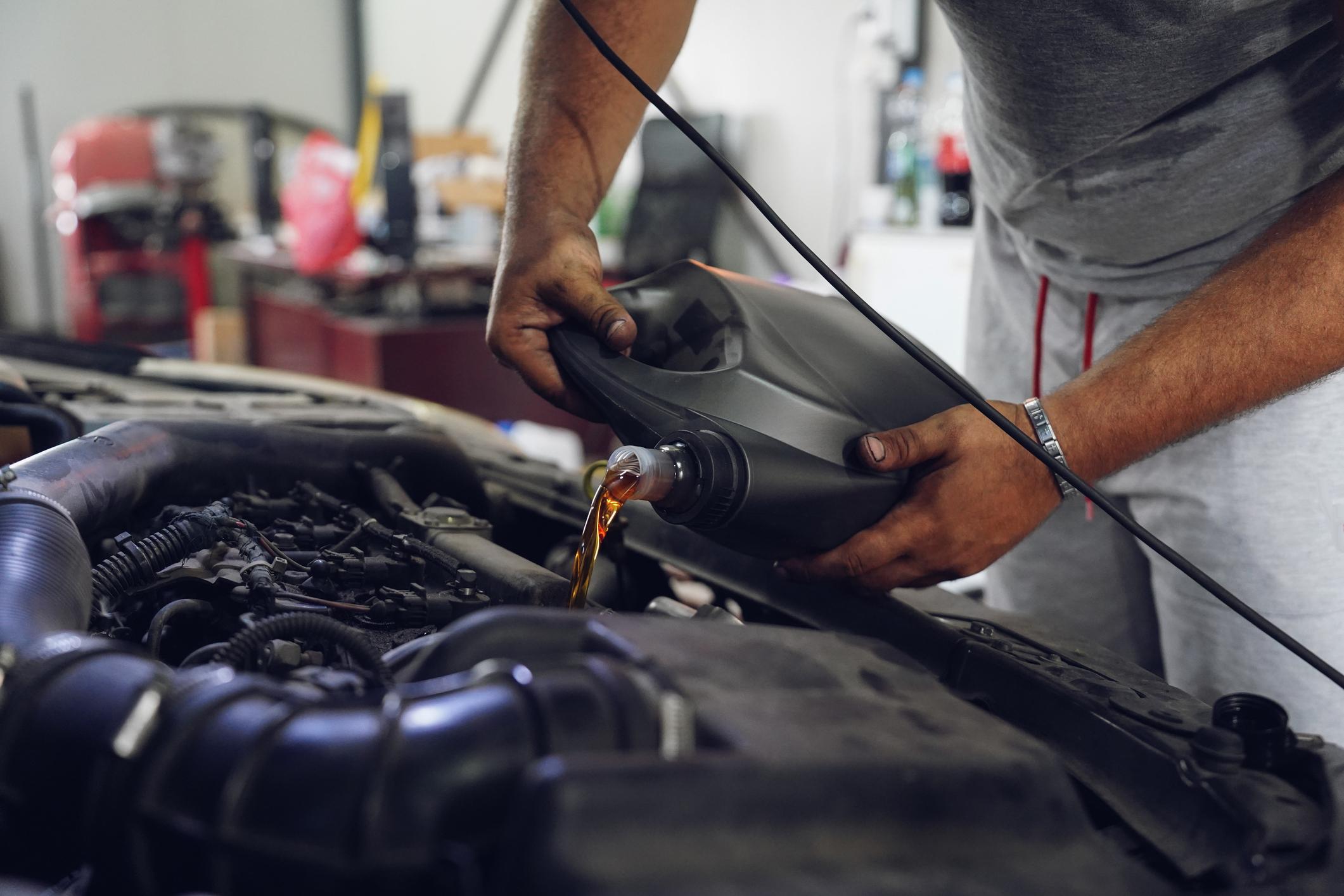
Engine oil plays a crucial role in lubricating moving parts inside the engine. Without proper lubrication, engine components can wear out quickly and lead to expensive repairs.
Important oil maintenance practices include:
- Checking the engine oil level at regular intervals
- Changing oil according to the manufacturer’s schedule
- Using the recommended oil type for your vehicle
- Watching for warning lights related to oil pressure
Maintaining proper oil levels helps prevent overheating and reduces engine wear.
Maintain Proper Tire Pressure
Tires are the only part of a vehicle that directly touches the road, making them critical for safety and performance. Incorrect tire pressure can reduce fuel efficiency and increase the risk of accidents.
Drivers should:
- Check tire pressure at least once a month
- Inflate tires according to the manufacturer’s recommendation
- Inspect tires for uneven wear or damage
- Rotate tires regularly to ensure even wear
Proper tire maintenance improves handling, fuel efficiency, and driving safety.
Replace Air Filters When Needed
Air filters prevent dust, dirt, and debris from entering the engine. Over time, filters become clogged and reduce engine efficiency.
Replacing air filters helps:
- Improve engine performance
- Increase fuel efficiency
- Reduce harmful emissions
- Protect engine components from contaminants
Checking the air filter during routine service ensures the engine receives clean airflow.
Keep the Battery in Good Condition
A car battery powers essential systems including the starter motor, lights, and electronic components. Battery problems are a common cause of unexpected breakdowns.
Helpful battery maintenance tips include:
- Inspecting battery terminals for corrosion
- Ensuring connections are secure
- Replacing old batteries when performance declines
- Turning off lights and electronics when the engine is not running
Most car batteries last between three and five years depending on usage and climate conditions.
Monitor Brake Performance
The braking system is one of the most important safety components of any vehicle. Worn or damaged brakes can significantly increase stopping distance.
Drivers should watch for warning signs such as:
- Squeaking or grinding noises
- Vibrations when braking
- Reduced braking responsiveness
- Brake warning lights on the dashboard
Regular brake inspections help ensure the system functions safely and effectively.
Check and Refill Fluids
Vehicles rely on several essential fluids to operate smoothly. Monitoring these fluids helps prevent overheating, corrosion, and mechanical damage.
Important vehicle fluids include:
- Engine coolant
- Transmission fluid
- Brake fluid
- Power steering fluid
- Windshield washer fluid
Keeping fluid levels within recommended ranges helps maintain overall vehicle performance.
Inspect Lights and Signals
Working lights are crucial for safe driving, especially at night or during poor weather conditions.
Drivers should periodically check:
- Headlights and high beams
- Brake lights
- Turn signals
- Hazard lights
- Interior dashboard indicators
Replacing faulty bulbs ensures better visibility and communication with other drivers on the road.
Follow the Recommended Service Schedule
Every vehicle manufacturer provides a recommended maintenance schedule based on mileage or time intervals. Following this schedule helps detect potential issues before they become serious.
Routine service may include:
- Oil and filter changes
- Tire rotation and alignment
- Brake inspections
- Engine diagnostics
Staying consistent with scheduled maintenance helps keep vehicles reliable and safe.
Keep Your Car Clean Inside and Out
Regular cleaning is not just about appearance—it also helps protect the vehicle’s condition. Dirt, dust, and road salt can cause damage over time.
Cleaning practices include:
- Washing the exterior to remove debris
- Waxing to protect the paint finish
- Vacuuming interior surfaces
- Cleaning windows and mirrors for better visibility
Maintaining cleanliness preserves both the vehicle’s appearance and resale value.
Frequently Asked Questions (FAQs)
1. How often should engine oil be changed?
Oil change intervals vary by vehicle, but many manufacturers recommend changing oil every 5,000 to 10,000 kilometers or according to the owner’s manual.
2. Why is tire rotation important?
Tire rotation helps ensure even wear across all tires, which improves handling, safety, and overall tire lifespan.
3. What are the signs of a failing car battery?
Common signs include slow engine startup, dim headlights, electrical issues, and warning lights on the dashboard.
4. How can I tell if my brakes need replacement?
Grinding sounds, reduced braking power, or vibration during braking may indicate worn brake pads that require inspection.
5. Is regular car washing necessary for maintenance?
Yes. Cleaning the vehicle removes dirt and corrosive materials that could damage paint and metal surfaces over time.
6. What should I do if a warning light appears on the dashboard?
Consult the vehicle manual to understand the warning and seek professional inspection if the issue persists.
7. Can regular maintenance improve fuel efficiency?
Yes. Proper tire pressure, clean air filters, and well-maintained engines can significantly improve fuel economy.